Diet is one of the best ways to reduce LDL cholesterol naturally.
Foods that are high in soluble fibre, wholesome fats, plant sterols, and antioxidants can help lower cholesterol quickly and lose weight.
On the other hand, diets high in refined carbs, trans fats, and saturated fat could spike your cholesterol levels.
To control your LDL cholesterol levels quickly and naturally without sacrificing taste or nutrients, you need to know what foods and drinks to take to manage your cholesterol levels effectively.
List of Foods to Help You Lower LDL Cholesterol
Whole Grains: A Good Start For Heart Health

Whole grains are among the best foods for controlling LDL cholesterol.
They contain numerous soluble fibres, which bind LDL cholesterol in the digestive tract and help the body remove it easily.
Oats, barley, quinoa, brown rice, and whole-wheat foods are good choices for breakfast foods to lower cholesterol.
Several studies have shown that eating at least three servings of whole grains per day can lower LDL cholesterol by up to 10%.
Oats are a very good source of beta-glucan, a type of soluble fibre that is superb at lowering cholesterol levels quickly.
Eating oatmeal for breakfast or whole-grain bread and pasta for your meals could make a huge difference in your heart health over time.
Fruits And Vegetables: Natural Cholesterol Fighters

Fruits and vegetables contain many antioxidants, vitamins, minerals, and soluble fibre.
These nutrients are essential in managing cholesterol levels. Also, fruits and veggies do have a lot of pectin, a type of soluble fibre that binds cholesterol.
You can take fresh apples, pears, citrus fruits, and berries or extract the juice and take it as dinner.
I prefer taking the whole fruit so you can get the fibre.
Leafy greens like spinach and kale, eggplant, okra, and carrots are good examples of vegetables that help lower cholesterol.
A wide variety of colored fruits and veggies are rich in antioxidants. These help lower oxidative stress and arterial inflammation, further reducing the risk of heart disease.
Legumes: Foods That Lower LDL Cholesterol and are high in protein
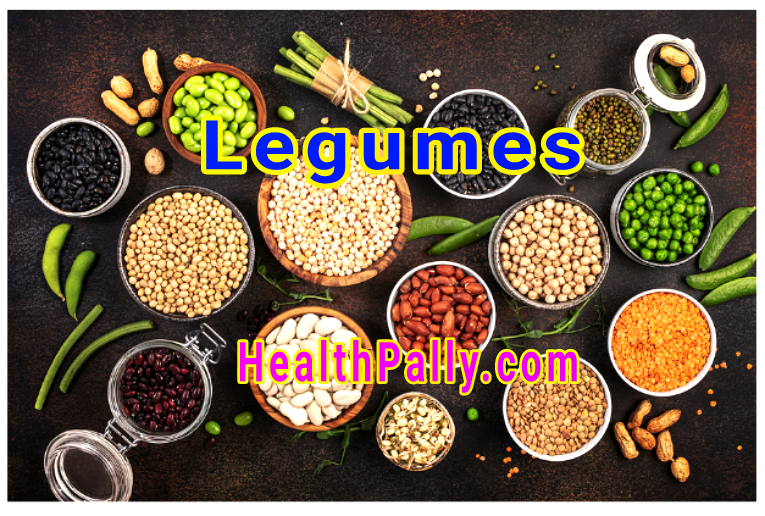
Beans, lentils, chickpeas, and peas are all legumes. They have loads of soluble fibre and protein that the frame needs.
A regular diet of beans has been linked to lower LDL cholesterol levels and better lipid profiles in recent studies.
Of course, these ingredients also make you feel full, which helps you manage your weight, which is closely linked to cholesterol control.
A simple way to consume extra heart-healthy foods without using animal-based proteins that may contain cholesterol is to add beans to soups, stews, salads, or as side dishes.
Nuts And Seeds: Healthy Fats For Better Cholesterol

Nuts and seeds provide a combination of plant sterols, fibre, and monounsaturated and polyunsaturated fat, all of which help lower LDL cholesterol.
Almonds, walnuts, pistachios, chia seeds, and flaxseeds are all good options for you.
For instance, walnuts contain high levels of omega-3 fatty acids, which lower triglycerides and enhance endothelial function, allowing blood to flow more freely.
Eating a small amount of nuts every day can lower your cholesterol levels and help maintain a healthy heart.
Flaxseeds and chia seeds are also great sources of soluble fiber and alpha-linolenic acid, a plant-based omega-3 fatty acid.
Fatty Fish: Omega-3-Rich Heart Protectors
Salmon, mackerel, sardines, and trout are all fatty fish that have abundant omega-3 fatty acids.
These acids have been studied extensively for their cardiovascular health benefits.
Omega-3s decrease triglycerides, modestly decrease blood pressure, and decrease inflammation in blood vessels.
Fatty fish might not immediately reduce LDL cholesterol, but they do help maintain your heart health by decreasing your overall cardiovascular risk and improving your lipid profiles.
Experts say that to get those benefits, you need to eat fatty fish at least 3 times a week.
Plant Sterols And Stanols: Nature’s Cholesterol Blockers
Fruits, veggies, nuts, seeds, and legumes all contain small amounts of plant sterols and stanols.
These are herbal substances. They work by preventing the intestines from absorbing LDL, which lowers LDL cholesterol levels.
Some fortified foods, such as margarines, orange juices, and yoghurts, now contain plant sterols.
Taking 2 grams of plant sterols daily can reduce LDL cholesterol by about 10%.
Adding each herbal and fortified asset in your diet can help lower your LDL cholesterol even further.
Olive Oil: The Mediterranean Secret
Extra-virgin olive oil is a key part of the Mediterranean diet, one of the best diets for your heart.
Olive oil contains many nutrients and monounsaturated fat, which can help lower LDL cholesterol.
If you switch from butter to olive oil, for example, your LDL cholesterol can go down, but your HDL cholesterol may remain the same.
It’s clean to include this wholesome fat in your weight-loss plan, and it tastes delicious.
You can use it to prepare dinner, make salads, or pour it over veggies.
Soy Products: The Power Of Plant Protein
Tofu, tempeh, soy milk, and edamame are all soy products that can be high in plant-based protein and isoflavones, compounds that may help lower LDL cholesterol.
Eating about 25 grams of soy protein every day can lower LDL cholesterol levels within weeks.
Soy products are quite helpful for people who wish to consume less meat while still getting sufficient protein and improving their heart health.
Replacing some animal protein with soy-based meals is an effective way to control your cholesterol.
Green Tea: Antioxidant-Rich Beverage

Green tea contains catechins, antioxidants proven to help the body lower cholesterol.
Researchers propose that drinking green tea daily may lower LDL cholesterol and triglycerides while elevating HDL cholesterol.
Green tea is a terrific drink to have each day as it contains very little caffeine and keeps you hydrated. This is not the same as coffee or black tea.
Besides making various dietary modifications, drinking a few cups of green tea each day may benefit your heart.
Garlic: Nature’s Cardiovascular Ally
People have used garlic for its health benefits for many years, especially to support heart health.
Researchers have shown that compounds in garlic, such as allicin, can reduce LDL cholesterol and triglycerides even at low levels, while also improving blood vessel health.
Adding sparkling garlic to cooking or using it in dressings and sauces can help lower cholesterol without altering the food’s taste too much.
Garlic itself won’t decrease cholesterol; however, it is a superb part of a heart-healthy eating regimen.
Avocados: Creamy Cholesterol Helpers
Because they’ve a variety of monounsaturated fats and soluble fibre, avocados are a top-notch food to feature in a diet that lowers LDL cholesterol.
Avocados have been linked to lower LDL cholesterol and higher HDL cholesterol in individuals who regularly consume them.
To keep your coronary heart and blood vessels healthy, consume avocados. They are complete in minerals, vitamins, and potassium.
They additionally lower horrific cholesterol (LDL). One healthy way to consume avocados is to slice them and add them to salads, sandwiches, or drinks.

A nutritionist, fitness trainer, and public health administrator who has dedicated more than two decades to promoting healthy eating, preventive care, and sustainable lifestyle habits.
With years of experience in community health, clinical research, and wellness program development, focused on natural approaches to nutrition and disease prevention.
Driven by the belief that wellness begins with education and daily habits, at HealthPally, I’ll continue to advocate for practical ways people can live better, healthier lives.

