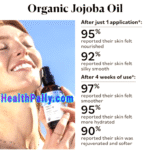
Is jojoba oil good for hair?
Yes! Jojoba oil is widely used to moisturise hair and scalp.
It’s a liquid wax ester that has a similar chemical structure to natural sebum produced in the scalp, therefore, it supplements sebum to lubricate cuticles, reduce brittleness, and soothe dry or flaky scalps.
It works fine moisturising your hair scalp without leaving a heavy, greasy film.
Is it OK to use jojoba oil every day?
You can, it depends on the drops you apply daily.
If you rub 1-2 drops of jojoba oil into your palms and rub it on your hair ends daily, you’ll have control over frizz, and shine.
For deeper treatment, you apply it to your scalp 3 times a week to see positive results. If you overdo it, it can lead to excess buildup.
If your scalp is the oily type and prone to scalp acne, you can use it once a week as overuse is likely to block your hair follicles.
Can you leave jojoba oil in your hair?
Yes, you don’t have to wash it off, you can leave it on your hair, and wash it off the next day.
My dermatologist friend advised using 1-3 drops, applying them on damp hair ends or massaging them into your scalp at night and leaving them overnight for deeper penetration and softness.
However, leaving jojoba oil on your hair for a couple of days without washing it off within 24 hours can increase the chance of buildup.
Does jojoba oil help thicken hair or promote hair growth?
I’ve seen Jojoba oil improve the shine when applied regularly. It may help hair thickness by hydrating and plumping each strand.
It can reduce hair breakage, and healthier, less-broken hair often looks thicker over time.
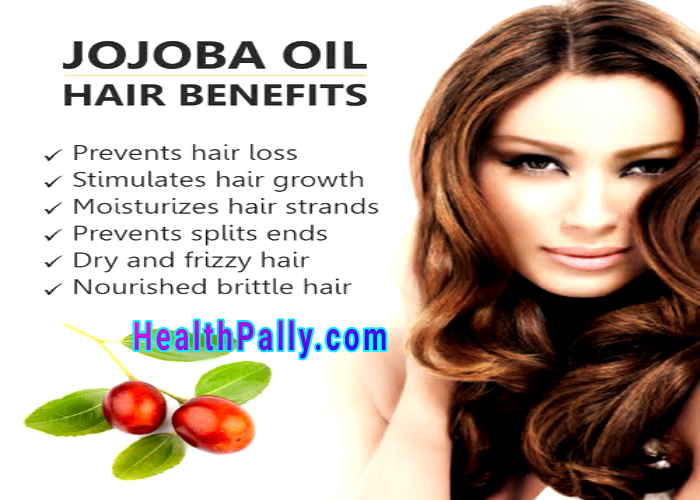
Organic jojoba oil may also reactivate dormant follicles, stimulate new ones and reverse genetic hair loss.
Jojoba oil reduces scalp dryness and debris in the follicles, which can support hair growth over time.
What types of hair benefit most from jojoba oil?
Dry, brittle, textured, chemically treated, and highly porous hair types generally benefit most from jojoba’s sebum-like oil, which locks in moisture and smooth cuticles.
Curly and coily hair also shows improvement when jojoba is used to moisturise hair shafts and scalp.
However, you should be cautious using jojoba oil on fine, oily hair – you can still use a smaller amount and apply it to the hair ends, not a scalp treatment.
Is jojoba oil too heavy for fine hair?
Absolutely not! Jojoba is not a heavy oil, it’s a wax ester that sits lighter on any hair type. Jojoba oil is lighter than many plant oils.
That said, fine hair is more easily weighed down, so you should use small amounts or dilute it with a light hair conditioner.
Is jojoba oil good for African American hair?
Yes, African Americans have curly and coily hair, and jojoba oil can be used to moisturise and seal hair shafts better than natural oil.
Hair experts confirmed Jojoba oil locks in moisture, softens cuticles, and reduces breakage when used as a pre-poo, hot-oil treatment, or daily light sealer on damp hair.
I reviewed some of the top Jojoba oils for hair products on Amazon, and users claimed that it helps define curls and reduce dryness after using the product for one month.
Can jojoba oil regrow hair in bald spots?
No, it can’t. No oil is used as a standalone treatment for bald patches caused by androgenetic alopecia or scarring alopecia.
Jojoba oil can enhance your hair to make it look healthier by clearing excess sebum, unclogging follicles and improving scalp health.
For new hair loss caused by scalp inflammation or clogged follicles, jojoba’s soothing effect could indirectly help.
Can jojoba oil cause buildup on hair or scalp?
It can, if overapplied or not washed out periodically, especially when combined with heavy silicones or other oils in leave-in products.
Jojoba is more readily washable than heavier oils like castor or coconut, but routine clarifying or regular shampooing is recommended if you use it frequently on the scalp.
Are there disadvantages or side effects of jojoba oil for hair?
Side effects are rare, they include allergic reactions, clogging in acne-prone hairlines, and potential heaviness or limp hair if overapplied
Rancidity can occur if a bottle is old or stored improperly, therefore you should discard it if the oil smells.
How should you apply jojoba oil to hair?
I’ve been talking about Jojoba oil application for hair since right, people use this oil for different goals.
Now, if your goal is to make your hair shinier than before, 1 drop ok if you’ve fine hair, and it should be applied to the ends.
If you want thicker hair, you can use up to 3 drops like I’ve mentioned earlier on this page, and massage the ends, down to the scalp.
For scalp health, combine 1-2 tsp of jojoba with a few drops of other oils such as rosemary or coconut, massage into the scalp for up to 10 minutes, leave it for 1 hour then wash off with shampoo.
For refreshing curls, dispense 2 drops to your palms, rake into curls to reduce frizz.
Can you mix jojoba with other oils or products?
Yes, jojoba oil blends well with lighter oils such as argan, grapeseed etc, and with serums or conditioners.
It is also used as a carrier oil for essential oils such as rosemary for scalp treatment.
Conclusion
Jojoba oil is good for a healthier scalp, softer hair, moisturising, and reducing breakage.
It’s safe to use, clean out debris under your hair and improve hairlines.

A nutritionist, fitness trainer, and public health administrator who has dedicated more than two decades to promoting healthy eating, preventive care, and sustainable lifestyle habits.
With years of experience in community health, clinical research, and wellness program development, focused on natural approaches to nutrition and disease prevention.
Driven by the belief that wellness begins with education and daily habits, at HealthPally, I’ll continue to advocate for practical ways people can live better, healthier lives.