How to use castor oil on hair?
Castor Oil is used for cooking, rich in vitamins and minerals, but it’s popular for cosmetic use, especially for skin and hair treatment.
However, there’s a mixed feeling about the effectiveness of castor oil as a hair treatment, so people are sceptical about how to use it to harness its efficacy.
One of the common questions I receive regularly is how long it should stay in hair to improve it, so I want to address this and related questions.
Can castor oil be left in hair overnight, and what are the benefits?
Yes, you can apply castor oil on your hair at bedtime, cover your hair with a shower cap and go to bed.
Leaving it on your hair overnight, typically 8 hours, allows it to penetrate deep into your hair shafts, scalp, and condition those dry, brittle hair ends.
To allow for deeper penetration, you should mix castor oil with lighter oils such as coconut oil, jojoba oil, or almond oil.
It will also make it easy to wash it off the next day since castor oil is heavy and sticky.
Doing this every day for 1 week makes your hair softer, fuller, and shinier.
Can I go to bed with castor oil in my hair?
Yes, you can, but use a shower cap, and cover your pillow with a towel or anything that will not allow stains on your pillowcase.
If you don’t cover your hair, the oil can get to your face and may irritate it.
Also, it can stain your fabrics, and you would have to clean the mess the next day.
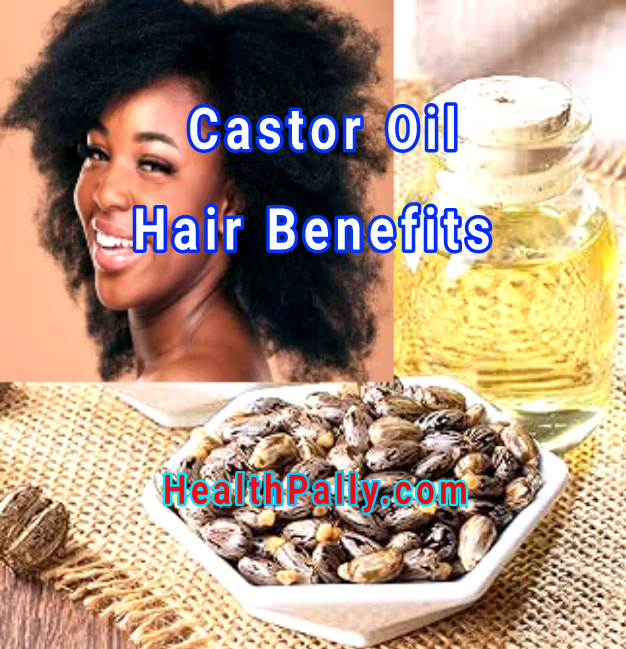
Can I leave castor oil in my hair for hair growth?
People leave castor oil in their hair for hair growth, but what seems to be hair growth is thicker and fuller hair.
Castor oil can make your hair softer, and when you comb it, it seems lighter, longer and fuller, but it does not directly increase biological hair-growth rate.
Castor oil can condition your scalp and hair shaft as I’ve said, and prevent hair loss, therefore, your hair appears thicker, longer and fuller over time.
Can you leave castor oil in your hair for 1 day, 2 days, 3 days or 1 week?
Leaving castor oil in hair for too long does not guarantee better results.
You can leave it in your hair for 8 hours to get the maximum benefits.
Leaving it in your hair for a day or two comes with risks, and leaving it in your hair for 3 days or 1 week is not advisable.
Castor oil is very thick, and even when you mix it with light oils, it can easily attract dust, trap sweat and sebum when it sits in your hair for too long.
You stand risks of buildup in your scalp, clogged follicles, and irritation, and you won’t like the foul smell either.
Can I leave castor oil in my hair without washing it out?
Yes, you can leave it in your hair without washing it off after a few hours of application.
Make sure you wash it off thoroughly in your next bath, and ensure you wash it off before your next shampoo routine.
Again, it’s not advisable to leave castor oil in your hair every time you apply it. It’s better to wash it off after 4 to 8 hours of leaving it in your hair.
And if you want to use it as a leave-in like your normal hair, apply a very small amount, usually 1 to 2 drops to your hair ends only.
Can I use castor oil on my hair every day?
No, castor oil shouldn’t be used every day. I recommend using it 1 or 2 times maximum per week for hair treatment.
For light application, typically in the hair ends, you can use a mix of castor oil and other oils up to 3 times per week.
Do you put castor oil on wet or dry hair?
You can use castor oil on both wet and dry hair, but it’s better when you apply it to damp hair, as it helps the oil spread easily and better than in dry hair.
If your target is the scalp, then apply your castor oil only when the hair is dry, as this allows it to reach the root.
Generally, it’s better to apply cream or oil to damp skin and hair to lock in moisture and penetrate deeper than when the skin and hair are dry.
When or what hair type should you not use castor oil on?
You should not use castor oil if you have oily hair and scalp or are prone to scalp acne.
People with seborrheic dermatitis, eczema, or contact dermatitis should also avoid castor oil to prevent complications as it can quickly worsen the greasiness, aggravate inflammation, and clog follicles.
People with fine or light hair should not use a whole castor oil on their hair regularly,
If you notice you develop itching, redness, or swelling after using castor oil, you should stop using it, reduce the frequency, and mix it with other oils.
How to wash your hair after applying castor oil?
First, massage a small amount of oil conditioner into your hair to emulsify it.
You can also apply a gentle liquid detergent or shampoo to your dry hair to break the oil.
Then rinse with warm water and shampoo 1 or 2 times depending on how sticky it is.
If your hair is still sticky after applying regular shampoo, use dish soap very sparingly to strip heavy build-up, then a conditioner to restore moisture balance, and rinse off everything.
Side effects or disadvantages of castor oil on hair
Castor oil may cause allergic contact dermatitis in some individuals, causing symptoms such as redness, swelling, itching, and rash.
Using castor oil on your hair every day weighs your hair down over time, and could lead to increased shedding from breakage or inflammation.
Can castor oil promote eyebrow or eyelash growth?
Some women have thicker lashes and brows after regular application, but you should be careful so it doesn’t get into your eye.
Which type of castor oil is best for hair: cold-pressed, Jamaican black, or refined?
Cold-pressed, hexane-free castor oil is generally preferred for purity.
Jamaican black castor oil (JBCO) is popular for coarse, curly hair because its ash content and processing give it a different scent and slightly different properties.
How long until I might see results?
It depends on your target, and application frequency, but you can notice changes in length and fullness in 4 to 8 weeks of use.
Can I mix castor oil with other oils or ingredients?
Yes, I’ve said it. It’s a safe practice to mix castor oil with lighter carrier oils to make application and rinsing off easier.
You can also add a few drops of essential oils such as peppermint oil or rosemary to improve the odour.
Is castor oil safe in pregnancy and breastfeeding?
Topical castor oil application is safe for pregnant women, but it can stimulate uterine contractions if taken in foods.

A nutritionist, fitness trainer, and public health administrator who has dedicated more than two decades to promoting healthy eating, preventive care, and sustainable lifestyle habits.
With years of experience in community health, clinical research, and wellness program development, focused on natural approaches to nutrition and disease prevention.
Driven by the belief that wellness begins with education and daily habits, at HealthPally, I’ll continue to advocate for practical ways people can live better, healthier lives.

